
Overcrowding is the hidden cause behind many backyard flock problems: feather pecking, bullying, dirty eggs, ammonia smells and disease. Getting the space right from the start is cheaper than fixing those problems later. This guide answers how much space chickens need in the coop, in the run, on the roost and in the nest box, with a sizing table you can use to choose the right chicken coop.
The Quick Answer
For standard-size chickens, plan on at least 4 square feet of coop floor and 10 square feet of outdoor run per bird. Bantams need about half that. Large breeds such as Jersey Giants and Brahmas need more. These are minimums. More space always means calmer, healthier birds.
Space Requirements by Chicken Size
| Bird size | Coop floor | Run | Roost per bird | Examples |
|---|---|---|---|---|
| Bantam | 2 sq ft | 5 sq ft | 6 in | Bantam Cochin, Silkie |
| Standard | 4 sq ft | 10 sq ft | 8–10 in | Rhode Island Red, Plymouth Rock, Araucana |
| Large | 5–6 sq ft | 12–15 sq ft | 10–12 in | Jersey Giant, Brahma, Orpington |
Coop Space
The coop is where your hens sleep, lay and shelter from bad weather. In cold climates where birds spend whole days inside, give the higher end of the range. A coop that is too large in winter is rarely a problem if it is draft-free. A coop that is too small causes fights on every rainy day.
- Ventilation: about 1 square foot of vent per 10 square feet of floor, placed high above the roosts so air moves without a draft on sleeping birds.
- Door access: big enough for you to clean easily. A coop you cannot clean will not get cleaned.
- Height: enough room for roosts 18 to 36 inches off the floor, above the nest boxes.
Run Space
Ten square feet per bird is the widely used minimum for a permanent run. If your hens free range part of the day, the run can be smaller. If they are confined full time, aim for 15 square feet or more and add interest with perches, a dust bath and hanging greens. Cover the run with wire or netting if you have hawks, and use half-inch hardware cloth on the sides.
Roosts and Nest Boxes
Chickens sleep shoulder to shoulder, but they still need 8 to 10 inches of roost each, and more in summer when they spread out to stay cool. Use a 2×4 laid flat, wide side up, so birds can cover their toes with their feathers in winter. Provide one nest box for every four or five hens, about 12 x 12 inches for standard breeds, set lower than the roosts so birds do not sleep in them.
Choosing a Coop Size
Coop makers usually rate their coops by the maximum number of birds. Treat that as a ceiling, not a target. A good rule is to buy one size up from the flock you plan, because almost every keeper adds birds later.
| Flock size | Recommended coop |
|---|---|
| 2–4 hens | Chicken coop for 4 chickens, or the 6-bird coop for room to grow |
| 4–6 hens | Chicken coop for 6 chickens |
| 6–10 hens | Chicken coop for 10 chickens |
| 10–15 hens | Chicken coop for 15 chickens |

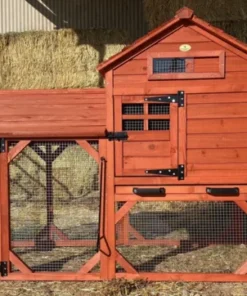
Chicken Coops For Sale
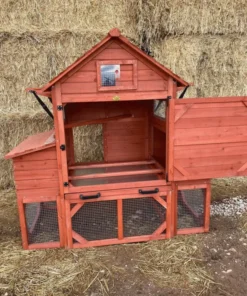
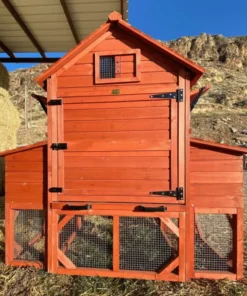
Chicken Coops For Sale
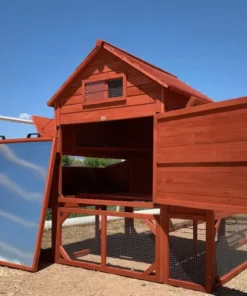
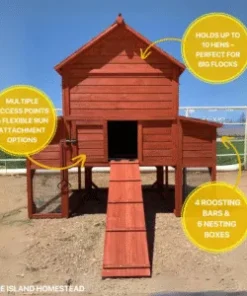
Chicken Coops For Sale
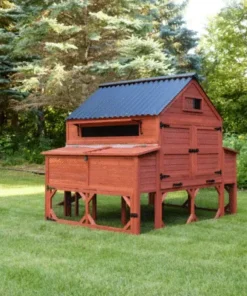
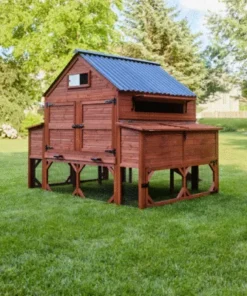
Chicken Coops For Sale
Signs Your Chickens Need More Space
- Feather pecking, bald backs or bloody combs
- One or two hens hiding, or being kept from the feeder
- Strong ammonia smell even after cleaning
- Eggs laid on the floor or in odd corners
- A drop in laying with no other cause
What About Ducks?
Ducks do not roost, so they need floor space rather than perches: about 4 to 6 square feet per duck indoors, and plenty of outdoor space for foraging and bathing. Our guide to keeping backyard ducks covers duck housing in detail.
Choosing Birds That Fit Your Space
Small garden? Bantams and calm breeds cope best with tight quarters. See Bantam Cochins and Silkies. Larger property? Active foragers like Rhode Island Reds thrive with room to roam. Our best chicken breeds for beginners compares temperament and size.
Frequently Asked Questions
How much coop space does a chicken need?
About 4 square feet of coop floor per standard chicken, 2 square feet for bantams and 5 to 6 square feet for large breeds.
How big should a chicken run be?
At least 10 square feet per standard bird, and 15 square feet or more if the chickens are confined full time.
How many nest boxes do I need?
One nest box for every four or five hens, about 12 by 12 inches for standard breeds.
How much roost space do chickens need?
8 to 10 inches of roost per standard bird, set higher than the nest boxes.
Next steps: read our guide to buying chicken coops online, tick off the chicken keeping supplies checklist, and browse chickens for sale.