
Ducks are tougher than chickens in cold and wet weather, lay large, rich eggs and clear a garden of slugs better than any pellet. They are also messier, louder and more water-obsessed. This guide to keeping backyard ducks covers housing, water, feed, egg laying and daily care, so you can decide which of our ducks for sale fit your garden.
Why Keep Ducks?
- Eggs: breeds like the Khaki Campbell lay as many eggs as the best laying hens, often through winter.
- Pest control: ducks eat slugs, snails and insects without scratching up beds the way chickens do.
- Hardiness: ducks shrug off rain and cold that would keep chickens indoors.
- Personality: ducks are social, funny and easy to herd once they know their routine.
Duck Housing
Ducks do not perch, so they need floor space rather than roosts. Give each duck about 4 to 6 square feet of floor in the house, with deep straw or shavings and good ventilation near the roof, because ducks breathe out a lot of moisture. The house must be predator-proof. Ducks are easy prey for foxes, raccoons and dogs at night, so shut them in every evening. A low, wide door or ramp suits them better than a high pop hole.
Most ducks will lay in a quiet corner on the floor, often in the early morning. Keeping them in until mid-morning means you collect eggs from the house rather than searching the garden.
Water: How Much Do Ducks Really Need?
Ducks must be able to dip their whole head in water to clean their eyes and nostrils. That is essential. A pond is not. A sturdy tub or children’s paddling pool, emptied and refilled regularly, keeps them healthy and happy. Place water on gravel or a drained area, because the ground around it quickly turns to mud.
Feeding Adult Ducks
Feed a waterfowl layer ration, or a chicken layer feed, with a little added niacin from brewer’s yeast. Offer oyster shell for laying females. Ducks forage enthusiastically and enjoy greens, peas and chopped vegetables. Avoid bread, which fills them up without nutrition. Ducklings have different needs, explained in our guide to raising ducklings.
Choosing a Duck Breed
| Breed | Best for | Eggs / year | Noise |
|---|---|---|---|
| Khaki Campbell | Eggs | 250–340 | Moderate |
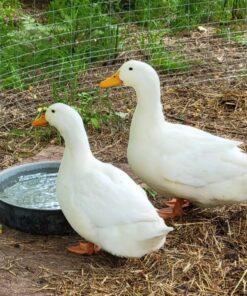
| Pekin / Grimaud hybrid | Dual purpose, friendly | 150–200 | Moderate |
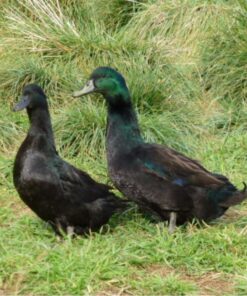
| Cayuga | Beauty, calm nature | 100–150 | Quiet |
| Australian Spotted | Small gardens, foraging | 100–150 | Moderate |
| Call duck | Ornamental | Low | Very loud |
Cayuga ducks are especially striking. Their black feathers shine beetle-green in sunlight, and their early-season eggs can be grey to charcoal. If eggs are the priority, see how ducks compare with hens in our best egg layers guide.


Ducks for Sale

Ducks for Sale

Ducks for Sale
Ducks for Sale

Ducks for Sale
Flock Size and Drakes
Ducks are flock animals. Keep at least two, and preferably three or more. If you keep drakes, keep a ratio of at least one drake to four or five ducks, as drakes can over-mate and injure females. An all-female flock is the quietest, cleanest option for egg keepers. Female ducks quack loudly. Drakes have a softer, raspy call.
Daily and Weekly Care
- Daily: fresh water morning and evening, feed, egg collection, lock up at dusk.
- Weekly: empty and scrub the bathing tub, top up dry bedding, rake wet areas.
- Monthly: deep clean the house, check feet for bumblefoot and check under wings for mites.
Can Ducks Live With Chickens?
Yes, with care. They can share a run, but ducks should not sleep in a chicken coop with roosts above them, and their water makes the run wet. Give them their own house and a drier area for the chickens. Introduce birds slowly, as explained in our guide to introducing new birds to a flock.
Common Health Issues
- Bumblefoot: swelling on the foot pad from rough ground. Keep surfaces soft and clean.
- Wet feather: a duck that loses waterproofing after a stressful period. Give clean bathing water to encourage preening.
- Egg binding: a straining, tail-pumping female. Warmth and calcium help. Call a vet if it lasts.
Frequently Asked Questions
Do ducks need a pond?
No. Ducks need water deep enough to dip their whole head, and a tub or paddling pool they can bathe in, but a pond is optional.
How much space do ducks need?
About 4 to 6 square feet of floor space per duck in their house, plus outdoor space for foraging and bathing.
Which duck breed lays the most eggs?
Khaki Campbells, with roughly 250 to 340 eggs a year. Indian Runners are also excellent layers.
Can ducks and chickens live together?
Yes, they can share a run, but give ducks their own house and a wet area away from the chickens' dry space.
Start with ducklings? Browse baby ducks for sale. Prefer adults? Read our guide to buying ducks online or browse all ducks for sale.