
Shipped hatching eggs travel through sorting machines, temperature swings and the occasional rough hand before they reach your door. How you handle them in the first 24 hours can make a bigger difference to your hatch rate than the incubator you use. This guide explains exactly what to do when shipped hatching eggs arrive: unpacking, inspecting, resting, storing and setting them, so you get the most chicks from every box of our fertile hatching eggs.
Before the Eggs Arrive
- Run your incubator for at least 24 hours and confirm it holds a steady 99.5°F (37.5°C) with 40–50% humidity.
- Check its readings with a separate thermometer and hygrometer.
- Clear a cool, quiet spot at about 55 to 65°F (13 to 18°C) for resting the eggs.
- Have an egg carton ready so you can rest the eggs upright.
Unpacking: Gently and Immediately
Open the box as soon as it arrives. Leaving it in a hot porch or cold garage damages embryos. Lift each egg out carefully, holding it by its sides. Do not shake or tip eggs end over end, and do not wash them. The natural bloom on the shell is a barrier against bacteria.
Inspect Every Egg
- Cracks: hold each egg up to a light. Hairline cracks show as bright lines. Cracked eggs rarely hatch and can grow bacteria, so set them aside.
- Air cell: candle each egg. Shipping can cause a detached or saddled air cell, which looks like a bubble that moves or sits off-centre.
- Dirt: lightly brush off dry dirt with a soft, dry cloth. Leave the shell otherwise as it is.
Rest Eggs for 12–24 Hours
Place the eggs pointed end down in a carton at cool room temperature and leave them for 12 to 24 hours. This lets the yolk and air cell settle after transit and lets the eggs warm slowly instead of going straight from shipping temperature into the incubator, which can cause condensation on the shell.
If You Can’t Set Them Straight Away
Hatching eggs keep best when set within about seven days of laying. If you need to wait, store them pointed end down at 55 to 65°F with moderate humidity, and tilt the carton from side to side once or twice a day by propping one end up. Fertility drops noticeably after 10 days.
Setting the Eggs
- Wash and dry your hands. Oils on your skin can block shell pores.
- Mark each egg lightly in pencil with the breed and the date, plus an X and O if turning by hand.
- Place eggs in the incubator and leave the lid closed while the temperature recovers. It will dip for a few hours, which is normal. Do not turn the thermostat up to compensate.
- Start counting day 1 from the moment you set them.
From here, follow the full day-by-day schedule in our guide to hatching chicken eggs: turning, candling on days 7 and 14, and lockdown on day 18.
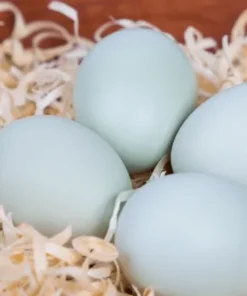

Fertile Hatching Eggs
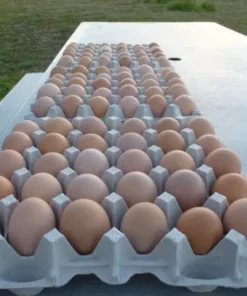
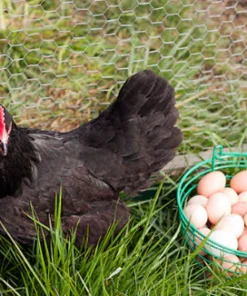
Fertile Hatching Eggs

Fertile Hatching Eggs
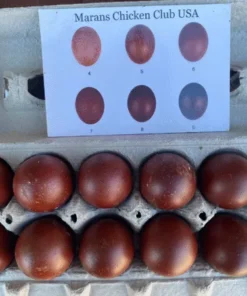
Fertile Hatching Eggs
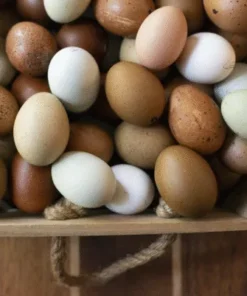
Fertile Hatching Eggs
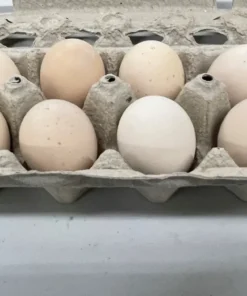
Fertile Hatching Eggs
What Hatch Rate Should You Expect?
Fresh eggs from your own flock can hatch at 80 to 90%. Shipped eggs are a different game. Handling, X-rays, altitude changes and temperature swings all take a toll. A 50% hatch from shipped eggs is considered good, and results vary by breed, season and distance. Larger and rarer eggs, such as Ayam Cemani eggs, can be more variable. Ratite eggs like emu and ostrich have their own long incubation schedules.
Breed-Specific Notes
- Dark eggs from Black Copper Marans and Barnevelders are hard to candle. Use a very bright light.
- Blue eggs from Araucanas candle easily but can have thinner shells. Handle them carefully.
- Bantam eggs, including Cochins, often hatch a day early.
- Large-breed eggs, including Brahma and Jersey Giant, may hatch a little late. Be patient on day 21.
Mistakes That Cost Chicks
- Setting eggs straight from the box without resting
- Washing or scrubbing eggs
- Candling too often in the first week
- Opening the incubator during lockdown
- Trusting the incubator’s built-in display without checking it
Frequently Asked Questions
Should you let shipped hatching eggs rest?
Yes. Rest them pointed end down at cool room temperature for 12 to 24 hours before setting so the air cell settles.
Should you wash hatching eggs?
No. Washing removes the protective bloom. Brush off dry dirt gently instead.
What is a good hatch rate for shipped eggs?
Around 50% is considered good for shipped eggs because of handling and temperature changes in transit.
How long can hatching eggs be stored before incubation?
Ideally set within about seven days of laying. Fertility drops noticeably after 10 days.
Once your chicks hatch, follow our baby chick care guide. Choose your next breed from the best egg-laying chickens, or read how to buy fertile hatching eggs by breed.