
The first six weeks shape everything about a chicken’s health. Chicks that are kept warm, dry and well fed grow into confident, productive hens. Chicks that get chilled or crowded often struggle for life. This guide explains how to care for baby chicks week by week: brooder setup, heat, feed, water and the signs that tell you something is wrong. It applies to every bird in our baby chicks for sale range and to chicks you hatch yourself.
Setting Up the Brooder
A brooder is simply a warm, draft-free enclosure. A large plastic tote, a stock tank or a purpose-built brooder box all work. Set it up and switch the heat on a day before your chicks arrive so the temperature is stable.
- Space: about half a square foot per chick for the first two weeks, rising to two square feet by week four.
- Bedding: paper towel for the first three days so chicks learn what food is, then pine shavings. Avoid cedar, which gives off harmful fumes, and slippery newspaper, which causes splayed legs.
- Heat: a brooder heat plate is safer than a heat lamp and mimics a mother hen. If you use a lamp, secure it with two fixings.
- Cover: a mesh lid. Chicks start flapping and hopping by week two.
Brooder Temperature, Week by Week
| Age | Temperature under heat source |
|---|---|
| Week 1 | 95°F (35°C) |
| Week 2 | 90°F (32°C) |
| Week 3 | 85°F (29°C) |
| Week 4 | 80°F (27°C) |
| Week 5 | 75°F (24°C) |
| Week 6+ | 70°F (21°C), or off once fully feathered |
Always give a temperature gradient, a warm zone and a cool zone, so chicks can regulate themselves. Their behaviour is the best thermometer. Chicks huddled under the heat and peeping loudly are cold. Chicks spread out against the walls and panting are too hot. Chicks scattered evenly, eating, sleeping and exploring, are just right.
Feed and Water
Feed a complete chick starter crumble (18 to 20% protein) from day one until about eight weeks, then a grower feed until point of lay. Medicated starter helps protect against coccidiosis. If your chicks were vaccinated for coccidiosis, use unmedicated feed. Do not feed layer feed to chicks. Its high calcium can damage young kidneys.
Use a chick waterer with a shallow lip. Add marbles or pebbles to the tray for the first days so tiny chicks cannot fall in and drown. Dip each chick’s beak in the water as you place it in the brooder. Keep water away from the heat source and clean it daily, as chicks kick bedding into everything.
Health Checks and Common Problems
Pasty butt
Droppings can stick to the vent and block it, especially in the first week. Check every chick daily. Soften the dried mess gently with warm water and a cloth, never pull it off dry, and pat the area dry.
Splayed legs
Caused by slippery floors. Swap to textured liners immediately. A small hobble made from a bandage can correct it if caught early.
Pecking
Boredom, overcrowding and too much heat or light cause pecking. Give space, hang a cabbage leaf or add a perch, and switch to a red heat bulb if using a lamp.
Coccidiosis
Watch for hunched, fluffed chicks with bloody or watery droppings. It spreads quickly in damp bedding. Keep the brooder dry and call a vet if you suspect it.
Handling and Taming
Handle chicks briefly and gently every day from the first week, scooping from underneath rather than grabbing from above like a predator would. Sit with your hand in the brooder offering a little feed. Chicks raised this way become the calm, friendly hens that make backyard keeping a joy. Docile breeds like Silkies and Barnevelders tame especially easily.
Moving Chicks Outside
Most chicks are fully feathered at six to eight weeks and can move to the coop when night temperatures stay above about 50°F (10°C), or earlier if the coop is sheltered and draft-free. Make sure the coop is predator-proof and big enough. Our guide to how much space chickens need explains sizing, and our chicken coops for sale are ready to assemble. If you already have adult hens, follow our guide on introducing new chickens to a flock.
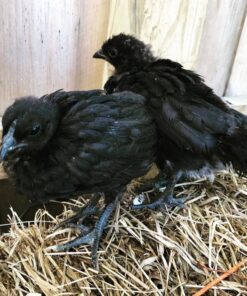
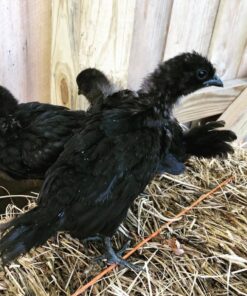
Baby Chicks For Sale
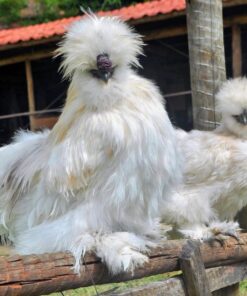
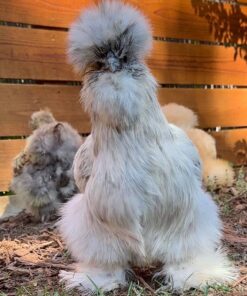
Baby Chicks For Sale
Baby Chicks For Sale
Baby Chick Checklist
- Brooder with lid, heat plate or secured lamp, thermometer
- Paper towel, then pine shavings
- Chick starter crumble and a chick feeder
- Chick waterer with pebbles for week one
- Electrolytes for arrival day, especially for shipped chicks
- Small perch from week two
See the full chicken keeping supplies checklist and our poultry supplies.
Frequently Asked Questions
What temperature do baby chicks need?
95°F (35°C) under the heat source in week one, lowered by about 5°F each week until 70°F or until chicks are fully feathered at around six weeks.
What do baby chicks eat?
A complete chick starter crumble with 18 to 20% protein. Do not feed layer feed to chicks, as the calcium can harm their kidneys.
When can baby chicks go outside?
Usually at six to eight weeks once fully feathered and when night temperatures stay above about 50°F, or in a sheltered, draft-free coop.
What is pasty butt in chicks?
Droppings stuck over the vent that can block it. Check chicks daily in the first week and gently soften and remove it with warm water.
Still choosing a breed? Read our best chicken breeds for beginners, compare the best egg-laying chickens, or see our buying guide to buying baby chicks online.