
Chickens take their pecking order seriously. Drop a new hen into an established flock overnight and you risk injuries, stress, disease and a sudden stop in laying. Do it gradually and most flocks settle within two to four weeks. This guide explains how to introduce new chickens to your flock safely: quarantine, the “see but don’t touch” stage, the first meeting and how to tell normal pecking from real bullying. It applies whether your new birds are adult chickens or growing chicks.
Understanding the Pecking Order
Every flock has a social ladder that decides who eats first, who gets the best roost and who gives way. When a newcomer arrives, the whole ladder has to be rebuilt. Some chasing, pecking and posturing is normal and necessary. The goal is not to prevent it, but to keep it short and stop it turning into injury.
Step 1: Quarantine for 30 Days
Quarantine is the most important step and the one most often skipped. Healthy-looking birds can carry mites, lice, respiratory disease or worms. Keep new birds in a separate coop or crate, ideally 30 feet or more from your flock, for 30 days.
- Use separate feeders, waterers and tools.
- Care for your existing flock first, then the new birds, and wash your hands and change shoes in between.
- Check for mites and lice around the vent and under the wings.
- Watch for sneezing, bubbly eyes, lethargy or odd droppings.
A spare dog crate and the items in our chicken keeping supplies checklist make quarantine easy.
Step 2: See but Don’t Touch (1–2 Weeks)
After quarantine, house the newcomers where the flock can see them but not reach them. A wire divider inside the run, or a crate placed in the run during the day, works well. The birds get used to each other’s presence and much of the posturing happens through the wire, where nobody gets hurt.
Step 3: The First Meeting
When the birds ignore each other through the wire, it is time to mix them. Two methods work well:
The night-time method
Place the newcomers on the roost after dark, when the flock is sleepy. In the morning everyone wakes up together. It is not magic, but it often softens the first encounters.
The free-range method
Let all birds out together in a large space, ideally somewhere neutral. Space gives the newcomers room to retreat, which is the key to keeping fights short.
Normal Pecking vs. Real Bullying
| Normal (let it play out) | Step in |
|---|---|
| Short chases and pecks to the head | Drawing blood, especially on the comb |
| Newcomer crouches and backs off | Newcomer pinned or cornered repeatedly |
| Brief standoffs with raised hackles | Several birds ganging up on one |
| Newcomer eats after others | Newcomer kept from food or water all day |
Remove any bleeding bird at once, since red attracts more pecking, and treat with an antiseptic spray. If one hen is the main bully, a few days in “time out” lowers her rank and often calms the whole flock when she returns.
Tips That Make Introductions Easier
- Add at least two birds at once. A lone newcomer takes all the attention. Two or three share it.
- Match sizes. Wait until chicks are at least two thirds the size of adults, usually 8 to 10 weeks.
- Make sure there is enough space. Overcrowded flocks fight more. Check our guide to how much space chickens need.
- Consider temperament. Gentle breeds like Silkies and Bantam Cochins can be bullied by assertive breeds. Mix calm birds with calm birds.
- Introduce in spring or summer when birds spend more time outdoors.
Chickens for Sale
Chickens for Sale
Chickens for Sale

Chickens for Sale
Special Cases
Introducing roosters
One rooster per 8 to 10 hens is a common guideline. Adding a second rooster to a flock that already has one is risky. If you do, give plenty of space and hens.
Mixing ducks and chickens
Ducks and chickens can share a run, but ducks make water messy and need different housing. See our guide to keeping backyard ducks.
Rare and ornamental breeds
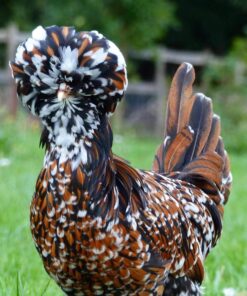
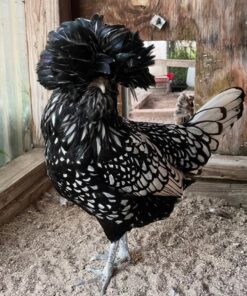
Crested and feather-footed birds, such as Polish chickens, have limited vision and can be targeted. Introduce them to calm companions. Explore more in our rare chicken breeds guide.
Frequently Asked Questions
How long should you quarantine new chickens?
30 days, in a separate coop at least 30 feet from your flock, with separate feeders, waterers and tools.
How long does it take to integrate new chickens?
Most flocks settle within two to four weeks after quarantine when birds are introduced gradually.
Is it normal for chickens to peck new chickens?
Short chases and pecks are normal while the pecking order is rebuilt. Step in if a bird is bleeding, pinned or kept from food and water.
When can chicks join adult hens?
When they are at least two thirds of the adults' size, usually around 8 to 10 weeks old.
Looking for new birds? Browse chickens for sale, compare temperaments in our best chicken breeds for beginners, or read how to buy healthy chickens online.